TPPと医療問題

― 文献名 ―
 池上彰の学べるニュース アベノミクス、TPP編
 池上彰 海竜社 2013.6

 ― この文献を選んだ背景 ―
  東区の医師会で、医療政策委員会の役員となった。毎月東区支部役員会に参加しているが、話題の一つとしてTPPへの参加の是非についてがある。日本医師会としては反対の声明を出しているが、正直TPPとは何か、TPPの反対論からの意見はあるが賛成側の意見にはどのようなものがあるかが見えなかったため、一度TPPとは何かについて勉強するべきと思い、あえて医療とは関係のないTPPの中立的な意見のありそうな本書を選んだ。

 ― 要約 ―
 
TPPとは?TPPの目的は?

・TPP(Trans-Pacific Partnership:環太平洋パートナーシップ協定)とは、太平洋に面した国々で結ぶ貿易協定である。目的は、TPPに加盟する国々の中で自由貿易を進めてそれぞれ経済を発展させよう、ということ。具体的には、加盟する国々の間の関税をなくすことである。

FTA・EPAとTPP
・今までも関税をなくしたり減らしたりする話合いは当事者である2カ国間で行われてきた。FTA(Free Trade Agreement:自由貿易協定)は主に物品を対象に、EPA(Economic Partnership Agreement:経済連携協定)は物品に加えて、サービス、人の異動、投資、知的財産などもっと幅広い分野を対象に規制をなくす協定である。
・現時点で日本が結んでいるEPAは13カ国である。ちなみにチリ産ワインへの関税は欧州産ワインの約1/3となり(2012年)、インドネシアやフィリピンとEPAを結んだ結果、両国から日本に看護しや介護福祉士の資格をとりたいという人が来るようになった。日本はこうした2国間のEPAから、今度は多国間のEPAに参加しようとしている。それがTPPである。

世界の貿易の歴史
・第二次世界大戦後の1948年に23カ国で発足し、日本は1955年に加盟したGATT(関税と貿易に関する一般協定)は、戦争への反省から生まれた協定である。自由貿易をやめたことが間違いだったという反省が背景にある。
・1929年に大恐慌が起きると、どこの国も自分の国の産業を守ろうとして関税を引き上げた。これが保護貿易である。しかしこれで世界の物流がストップしてしまい、各国が資源を求めて争い、第二次世界大戦の一因になったと言われている。そこで戦後、自由な貿易を広げて世界経済が発展していけば、戦争を少しでも減らすことができるのではないか、という考え方から自由貿易を基礎とするGATTが生まれ、その後次々と参加する国が増え、1995年、GATTをもとにWTO(世界貿易機関)が設立された。
・しかしWTOには加盟国が増えすぎ(現在159カ国 ※国連加盟国193カ国)、各国の利害が対立し意見がまとまらなくなった。そのため合意までに時間がかかり、話がつく国同士で自由貿易をしようという動きがでてきた。それが2国間のFTAやEPA、さらには地域ごとの自由貿易協定である。
・自由貿易協定にはNAFTA(北米自由貿易協定:カナダ・アメリカ・メキシコ2)、AFTA(ASEAN自由貿易地域:ASEAN諸国10カ国)、EU(欧州連合:27カ国)などがあり、太平洋周辺の国々で作ろうとしているのがTPPである。

TPPの現状
・TPPは2006年、シンガポール、ニュージーランド、チリ、ブルネイの4カ国で始まり、2010年にアメリカ、オーストラリア、ペルー、ベトナム、マレーシアが加わった。日本でも当時の菅直人総理が2010年10月に交渉参加を検討すると表明したが、国内での反対が多く交渉参加には至らなかった。ところが日本の動きを知ったメキシコとカナダが、経済規模の大きな日本が入った場合、参加が遅れたら不利になると考え2012年に交渉参加開始。結果として日本は立ちおくれてしまった。
・2013年3月、安倍首相がTPP交渉参加を表明したが、後から入った国が決まったルールを覆すのは難しく、通常参加するまではそれまで決まっていることを教えてもらえないため、ふたを開けたら日本に不利なことが決まっていたという可能性も十分考えられる。
・TPPで議論される分野は21分野あるが、日本がTPPに参加するのはアメリカが入っているからである。アメリカは、どんどん経済力をつけている中国を牽制するためにも中国以外のアジア太平洋の国々が対抗したいという思惑があり、アメリカから参加希望があったことも大きいと言われている。

TPP参加のメリット・デメリット
・TPPで貿易が自由化されると、輸出産業には追い風になる。政府の試算によると、日本のGDPは今後10年間で3.2兆円増加する。消費者側としても、関税が低くなることから毛皮や革靴、果物なども安くなる。また、知的財産の権利保護で海賊版の取り締まりもできるようになる。
・しかし、一方で食の安全性としてアメリカでは遺伝子組み換え食品に表示義務がなく、食品添加物の安全性にも問題が残る(認められている食品添加物 日本:653種類、アメリカ:約1600種類)。

TPPと医療問題
・TPPでは混合診療がアメリカで行われているため、TPPに参加した場合には混合診療解禁が求められる可能性がある。日本医師会としては、海外で流通する新しい薬が使用できるようになることや混合診療によって高度な治療が受けられるかもしれないが、自由診療によって貧富の差による医療の偏在化がおこる可能性があるため猛反対している。また、資本力のある海外の病院が入ってきて小さな病院がつぶれる可能性があること、混合診療が入ってくることにより保険のきく治療範囲が狭くなる可能性もあり、国民皆保険制度が撤廃させられる懸念があることもあり、反対の立場をとっている。

TPP交渉の今後の3つの課題
・遅れて参加する日本には①過去の交渉内容が見られない、②残された交渉の機会がすくない、③決定事項を覆せない可能性 があり、日本政府は「聖域」を守り、3つの課題をクリアし国民に有利な条件をどれだけ他の国々に要求できるかが課題である。

開催日:平成25年11月20日

後期研修における形成評価の手段としてのWorkplace based assessment(臨床現場における学習者評価)

【文献名】 
著者名:John Norcini and Vanessa Burch
文献タイトル:Workplace-based assessment as an educational tool
雑誌名・書籍名:AMEE guide No.31 Medical Teacher 2007 855-871
発行年:2007

【この文献を選んだ背景】
 この2年をかけて、HCFMは後期研修プログラムの目標や評価システムを大幅に改正中である。その目的の一つとして、個性やそれまでの経験が異なる一人一人の後期研修医に合わせた評価を的確に行い、その人に合わせた成長をサポートすることがある。
 そのためには、後期研修期間中の研修医に対する評価は欠かせない。そして、評価の中でも、日々の臨床業務での研修医の実際のパフォーマンスを評価する「WBA(Workplace-based assessment)」がこの10年で世界的にも着目され、研究が進んできた。我々も今後の後期研修の中でこのWBAを形成的評価(=試験して落とすためではなく、研修医にフィードバックし成長を促すための評価)の方法として取り入れようとしている。
 今回は、WBAの具体的なツールにどのようなものがあり、それぞれの特徴、限界はどうなのかについて、勉強し直したため、共有することとした。

【概要】
この文献は5つの側面に焦点を当てている。
 1形成的評価とフィードバックの有効性と頻度の文献レビュー
 2各論的な頻用されるWBAの手法について
 3形成的評価において有用なフィードバックの特徴
 4指導医を参加させ、能力を向上させる為の戦略
 5形成的評価を日々の臨床に取り入れる際の困難な側面  

今回のジャーナルクラブでは主に2に焦点を当てて紹介する。

【形成的評価の手法】p858
・この10年で様々な形成的評価のための手法が開発された。以下の7つを概観する。
①Mini-Clinical Evaluation Exercise(mini-CEX)(Figure1)
 ・指導医観察の下、学習者が臨床上のタスクを行う(問診⇒身体診察⇒診断⇒マネージ)
 ・外来・入院・ERのどれでもよいし、初診でも再診でもかまわない。また、症状の評価でも疾患の評価でも問題ない。
 ・原著では、9点満点(1-3 unsatisfactory, 4-6 satisfactory, 7-9 superior)として問診技術、身体診察、プロフェッショナリズム、臨床判断、カウンセリング、全体構成と能率、全体の能力について評価がなされることとなっている。
 ・この評価手法の最大の目的は構造化したフィードバックを観察に基づいて行うことである。大まかに15分の面接を観察し、5?10分のフィードバックを行う。
 ・学習者は、研修期間中に、異なる臨床状況で、異なる指導医に評価されることが望ましい
 ・この手法は、十分にサンプリングを行えば、信頼性のある手段であることが示されている(大まかに4人の事例があれば、95%信頼区間が1以下となり、0.8以下の信頼性coefficientには12?14事例の評価が必要である)
 ・様々なエビデンスによってmini-CEXの妥当性も示されている。例えば卒後の文脈であればITE筆記試験やルーチンの指導医によるratingとよく相関する。
 ※卒前の文脈でも利用でき、妥当性もコミュニケーションスキルなどで示されている(観察+フィードバックの時間は合計して30?45分とやや長めとなる)。

②Clinical Encounter Cards(CEC)
・カナダのMcMasterで開発され、他の環境でも実践されている。
・miniCEXと評価項目は類似であるが、6点評価であり、卒前の文脈のようである

③Clinical Work Sampling(CWS)
・臨床医のみでなく、看護師・患者によるratingが付け足された評価手法。

④Blinded Patient Encounters(BPE)
・卒前のベッドサイドにおける教育に用いられる評価手法

⑤Direct Observation of Procedural Skills(DOPS)(Figure2)
・臨床下での手技の直接観察評価のために用いられる。
・6点評価で、1-2が標準以下、3が境界、4が標準、5-6が標準以上である。
・直接観察は15分、フィードバックは5分にて行う。
・研修コースの中で学習者は実践頻度が高い手技を提示され、それについて複数の指導医から複数回観察を受けるようにする。

⑥Case-based Discussion(CbD)(Figure3)
・学習者は2人の患者のカルテを選択し、評価者にプレゼンテーションする。評価者はそのうちの一つをディスカッションするケースとして選び、ケースの2つ以上の側面(臨床アセスメント、精査と紹介、治療、フォローアップと今後の計画、プロフェッショナリズム)について深めて行く。カルテもその場にあるため、カルテ記載も同時に評価する。
・clinical reasoningの評価を行い、実際の臨床現場での意思決定のうらにある根拠を評価することが目的である。大まかに20分以下の評価として、そのうち5分のフィードバックを行う。学習者は研修期間の間に異なるケースについて異なる評価者から評価を受ける。
・CbDはその妥当性を示唆する研究がいくつかある。救急医の免許更新における研究などがそれである。その一つとして、ボランティアの医師と、臨床に問題のある医師を両方まぜて、CbDで評価した結果、その両者を鑑別できたという研究がある。

⑦MultiSource Feedback(MSF)
・360度評価とも言われるが、構造化された質問紙を用いて多くの関係者からパフォーマンスのデータをあつめ、個々の学習者へフィードバックする手法である。全ての評価は直接観察のもとではあるが、上記6つと異なるのは「日常のパフォーマンス」を思い出して記載するところである。
・多くのフォーマットがあるが、mini-peer assessment tool(mini-PAT)はその良い例であり、UKでのFoundation Programmeで用いられている。そこでは学習者が8人の評価者を指導医、ジュニア、看護師、他の医療専門職から選択する。それぞれの評価者が構造化した質問紙を渡され、プログラム中枢部に送る。また学習者自身も同じ構造化質問紙を用いて自己評価を行う。
・評価のカテゴリーはよい臨床ケア、臨床実践の維持、教育と訓練、患者との関係性、同僚との業務、全体評価、である。
・この質問紙は集計して個別フィードバックを用意する。データはグラフとして、学習者を評価した人の平均点と国での平均点が示される。全てのコメントは逐語録として残されるが、匿名化される。学習者は教育者とこの結果を見て、今後の行動計画を立てる。このプロセスは研修期間中に年に2回行われる。
・MSFは卒後や現場の医師の評価にも応用されている。Sheffield Peer Review Assessment Tool(SPRAT)がfigure4にあり、実現可能性と信頼性が示されている(※先日ジャーナルクラブで扱ったものです)。また一緒に仕事をした期間などのバイアスの影響も受けないようである。信頼性を保つ為には8-12人による評価が必要である。

注釈
形成的評価;学習者が更にのびることを目的として行う評価のこと。点数をつけて合格・不合格とする評価ではなく、改善の為の提案や指導を行うことが主目的。
妥当性=測定したいと思っているものを測定できているかどうかの指標
信頼性=誰が行っても同じような結果がでるかの指標

【開催日】
2012年10月24日

Short-Term and Long-Term Health Risks of Nuclear-Power-Plants Accidents

― 文献名 ―
 John P. Christodouleas, M.D., M.P.H., Robert D. Forrest, C.H.P., Christopher G. Ainsley, Ph.D., Zelig Tochner, M.D., Stephen M. Hahn, M.D., and Eli Glatstein, M.D. N Engl J Med 2011; 364:2334-2341

 ― この文献を選んだ背景 ―
 Many foreigners asked me about Fukushima nuclear accident when I attended in WONCA 2013 in june this year. Their questions were mainly about the present situation, risks of health problems, contamination of seawater, and what we are doing for the situation. To none of them, I couldn’t answer clearly. It is true that we don’t have enough information about this problem, but I realize that I must learn more about this problem as a health care provider, and as a Japanese.

 ― 要約 ―
MECHANISMS OF EXPOSURE

Reactor Accidents and the Release of Radioactive Materials


In the event of an accident, the primary concern is that the support structure (core) containing the fuel and the fission products may become damaged and allow radioactive elements to escape into the environment. When the core cooling system damaged, the reactor core and even the fuel itself can partially or completely melt, which results in explosions within the reactor, dispersing radioactive material.

In the partial meltdown at Three Mile Island, a minimal amount of radiation was released, has not yet led to identifiable health effects. On the other hand, in Chernobyl, the explosions and the subsequent fire sent a giant plume of radioactive material into the atmosphere, resulted in 28 deaths related to radiation exposure in the year after the accident. The situation at Fukushima will probably end up ranking between these two historical accidents in terms of radiation releases and health consequences.

Types of Radiation Exposure

Human radiation exposure as a result of reactor accidents is generally characterized in three ways: total or partial body exposure as a result of close proximity to a radiation source, external contamination, and internal contamination. Internal contamination occurs when fission products are ingested or inhaled or enter the body through open wounds. This is the primary mechanism through which large populations around a reactor accident can be exposed to radiation. 
Reactor accidents can release a variety of radioisotopes into the environment. The health threat from each radioisotope depends on an assortment of factors ( e.g., half-life , gaseous, substantial quantities , tendency to settle on the ground) . The release of radioactive water into the sea at the Fukushima plant has resulted in an additional route whereby the food chain may be affected, through contaminated seafood.

CLINICAL CONSEQUENCES OF RADIATION EXPOSURE


Type of Radiation and Dose Rates

At a molecular level, the primary consequence of radiation exposure is DNA damage. The clinical effect of radiation exposure will depend on numerous variables, including the type of exposure, the type of tissue exposed, the type of radiation, the depth of penetration of radiation in the body, the total absorbed dose, and the period over which the dose is absorbed (dose rate). The literature on radiation refers to dose in terms of both gray (Gy) and sievert (Sv). Radiation exposure can potentially result in short-term and long-term effects in every organ system in the body. Comprehensive reviews of the literature on radiation exposure have been produced by the International Atomic Energy Agency and the World Health Organization.

Acute Radiation Sickness and Its Treatment

When most or all of the human body is exposed to a single dose of more than 1 Gy of radiation, acute radiation sickness can occur. Much of our understanding of acute radiation sickness is based on the clinical experience of more than 800 patients who have been described in national and international registries of radiation accidents, and all 134 patients with confirmed acute radiation sickness at Chernobyl were either plant workers or members of the emergency response team.

Much of the short-term morbidity and mortality associated with a high total or near-total body dose is due to hematologic, gastrointestinal, or cutaneous sequelae. In the Chernobyl accident, all 134 patients with acute radiation sickness had bone marrow depression, 19 had widespread radiation dermatitis, and 15 had severe gastrointestinal complications. Hematologic and gastrointestinal complications are common because bone marrow and intestinal epithelium are especially radiosensitive as a result of their high intrinsic replication rate. Cutaneous toxic effects are common because external low-energy gamma radiation and beta radiation are chiefly absorbed in the skin. If total body doses are extremely high (>20 Gy), severe acute neurovascular compromise can occur. Acute radiation sickness can be categorized into three phases: prodrome, latency, and illness. (see Signs and Symptoms of Acute Radiation Sickness in the Three Phases after Exposure.)


The first step in the care of any patient who is exposed to radiation is to manage immediate life-threatening injuries, such as those from trauma or burns. The next step is to address external and internal radiation contamination, if any. Decontamination protocols are available from several sources. Once these issues have been addressed and acute radiation sickness is suspected, treatment is guided by the estimated total dose, which is determined on the basis of the initial clinical symptoms, lymphocyte depletion kinetics, and cytogenetic analyses, when available.

Patients with modest whole-body doses (<2 Gy) may require only symptomatic support for nausea and vomiting. In patients with whole-body doses of more than 2 Gy, the treatment of the consequences of bone marrow depletion is paramount. Strategies include management of infections with antibiotics and antiviral and antifungal agents, the use of hematopoietic growth factors, and possibly bone marrow transplantation. The use of bone marrow transplantation is controversial, since outcomes after radiation accidents have been poor. After Chernobyl, only 2 of the 13 patients who underwent bone marrow transplantation survived long term. Among the 11 patients who died, complications from transplantation appeared to be the primary cause of death in 2 patients. Gastrointestinal radiation sequelae are managed with supportive care and possibly with the use of prophylactic probiotics. Cutaneous radiation injuries may evolve over the course of weeks. Treatment of such lesions involves minimizing acute and chronic inflammation with topical glucocorticoids while avoiding secondary infections. Several organizations have developed detailed treatment algorithms for acute radiation sickness that are publicly available. Increased Long-Term Cancer Risks

In the region around Chernobyl, more than 5 million people may have been exposed to excess radiation, mainly through contamination by iodine-131 and cesium isotopes. Although exposure to nuclear-reactor fallout does not cause acute illness, it may elevate long-term cancer risks. Studies of the Japanese atomic-bomb survivors showed clearly elevated rates of leukemia and solid cancers, even at relatively low total body doses. However, there are important differences between the type of radiation and dose rate associated with atomic-bomb exposure and those associated with a reactor accident. These differences may explain why studies evaluating leukemia and nonthyroid solid cancers have not shown consistently elevated risks in the regions around Chernobyl.

However, there is strong evidence of an increased rate of secondary thyroid cancers among children who have ingested iodine-131. Factors that increase the carcinogenic effect of iodine-131 include a young age and iodine deficiency at the time of exposure. 
In accidents in which iodine-131 is released, persons in affected areas should attempt to minimize their consumption of locally grown produce and groundwater. However, since the half-life of iodine-131 is only 8 days, these local resources should not contain substantial amounts of iodine-131 after 2 to 3 months. On the advice of public health officials, area residents may take potassium iodide to block the uptake of iodine-131 in the thyroid. To be most effective, prophylactic administration of potassium iodide should occur before or within a few hours after iodine-131 exposure. The administration of the drug more than a day after exposure probably has limited effect, unless additional or continuing exposure is expected.

CONCLUSIONS

Because nuclear-reactor accidents are very rare events, few medical practitioners have direct experience in treating patients who have been exposed to radiation or in the overall public health response. Organizations that could be involved in either activity — because of their proximity to a power plant or their role in the health system — must put detailed algorithmic response plans in place and practice them regularly. A critical component of the response, with respect to both treatment of individual patients and interaction with the community, is clear communication about exposure levels and corresponding risk, with an eye toward widespread public apprehension about acute radiation sickness and long-term cancer risks.

 ― 考察とディスカッション ―
 We haven’t had many studies on this issue yet. The real amount of radioisotopes are still unclear, investigations are ongoing. So it’s not easy to practice EBM on this problem. But as a family physician, we have some methods to approach people there, for example, practicing PCCM and “being there”. At the same time, we should have knowledge about symptoms of radiation exposure and about prophylaxis of clinical consequences.

開催日:平成25年11月6日

地域コミュニティケア研究の一例(抗生剤処方に関して低コストキャンペーンの実現性と効果について)

― 文献名 ―
 Giulio Formoso et al: Feasibility and effectiveness of a low cost campaign on antibiotic prescribing in Italy: community level, controlled, non-randomised trial.BMJ 2013;347:f5391

 ― 要約 ―
【Objectives】 
To test the hypothesis that a multifaceted, local public campaign could be feasible and influence antibiotic prescribing for outpatients.

【Design】 
Community level, controlled, non-randomised trial.

【Setting】 
Provinces of Modena and Parma in Emilia-Romagna, northern Italy, November 2011 to February 2012.

【Population】 
1 150 000 residents of Modena and Parma (intervention group) and 3 250 000 residents in provinces in the same region but where no campaign had been implemented (control group).

【Interventions】 
Campaign materials (mainly posters, brochures, and advertisements on local media, plus a newsletter on local antibiotic resistance targeted at doctors and pharmacists). General practitioners and paediatricians in the intervention area participated in designing the campaign messages.

【Main outcomes measures】
Primary outcome was the average change in prescribing rates of antibiotics for outpatient in five months, measured as defined daily doses per 1000 inhabitants/day, using health districts as the unit of analysis.

【Results】
Antibiotic prescribing was reduced in the intervention area compared with control area (−4.3%, 95% confidence interval −7.1% to −1.5%). This result was robust to “sensitivity analysis” modifying the baseline period from two months (main analysis) to one month. A higher decrease was observed for penicillins resistant to β lactamase and a lower decrease for penicillins susceptible to β lactamase, consistent with the content of the newsletter on antibiotic resistance directed at health professionals. The decrease in expenditure on antibiotics was not statistically significant in a district level analysis with a two month baseline period (main analysis), but was statistically significant in sensitivity analyses using either a one month baseline period or a more powered doctor level analysis. Knowledge and attitudes of the target population about the correct use of antibiotics did not differ between the intervention and control areas.

【Conclusions】
A local low cost information campaign targeted at citizens, combined with a newsletter on local antibiotic resistance targeted at doctors and pharmacists, was associated with significantly decreased total rates of antibiotic prescribing but did not affect the population’s knowledge and attitudes about antibiotic resistance.

開催日:平成25年10月23日

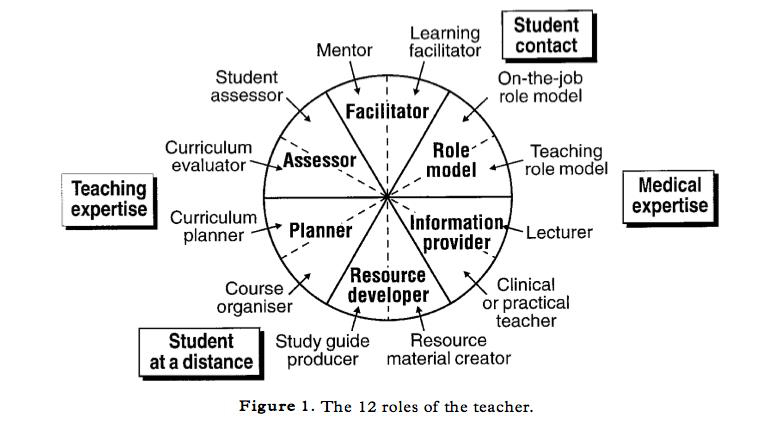
卒前教育の家庭医療コアカリキュラム

― 文献名 ―
 HOWARD TANDETER et al. A ‘ minimal core curriculum ‘ for Family Medicine in undergraduate 
medical education: A European Delphi survey among EURACT representatives. European Journal of General Practice, 2011; 17: 217-220

 ― この文献を読んだ背景 ―
 滋賀医科大学4年生対象に弓削の森先生と6コマの家庭医療の系統講義を担当する。100名対象の講義型で、かつ6コマということでどのようなテーマが良いのかを再度検討してみたかった。
 欧州の指導医委員会(2011)とSTFM(2009)と両方が見つかったが、前者の方が利用しやすいと感じたため共有したい。
 
 ― 要約 ―
背景:
家庭医療は世界で異なる発展をしている。特にプライマリケアが整備されていない国々では、家庭医が卒後キャリアの選択肢となっていないため、家庭医療の教育が不十分である。そのような状況で家庭医療は卒前教育中に必要な臨床経験とみなされていない

目的:
短期間の家庭医療の臨床実習の”ミニマムリクアイアメント””ミニマムコアコンテント”を同定する。

方法:
欧州家庭医療/総合診療指導者委員会(Council of the European Academy of Teachers in General Practice and Family Medicine)の中の全ての欧州国家とイスラエルの代表者であり、家庭医かつ指導医である40名のグループを対象にデルファイ法を用いて実施した。
デルファイ法(岡田先生のブログより):
 元々は予測が難しい未来のことを予測するための方法最近はそれを転じて合意形成の方法としても用いられる。専門家グループなどが持つ直観的意見や経験的判断を反復型アンケートを使って、組織的に集約・洗練する意見収束技法。技術革新や社会変動などに関する未来予測を行う定性調査によく用いられる。
デルファイ法ではまず、予測したいテーマについて詳しい専門家や有識者を選んで意見を求める。得られた回答は統計的に集約して意見を取りまとめ、これを添えて同じ質問を各専門家に対して行い、意見の再検討を求める。この質問とフィードバック、意見の再考という過程を数回、繰り返すとグループの意見が一定の範囲に収束してくる。この意見集約によって、確度の高い予測を得ようというわけである。
デルファイ法はテーマと関係のない影響力を極力排除するよう配慮されている。また問題としては「専門家の定義や選出方法」「アンケート質問の適正さ」「意見一致への強要や誘導」「集約手法の信頼性や妥当性」「未来予測の限界」などが指摘される。

結果:
何周かのデルファイによって、卒前家庭医療の必要最小のコアカリキュラムの15のテーマが同定された
—————————————————————————————
1   27票 特有の医学である家庭医療の紹介、継続性・包括性・協調性という家庭医療の重要原則
2  21票 全人的アプローチ:生物心理社会モデル

3  20票 症状早期の鑑別しにくい時期のマネージメント、不確実性の扱い方

4  17票 コミュニケーションスキル:患者、患者家族、難しい患者

5  17票 複数の健康問題のマネージメント:優先順位づけ

6  17票 流行状況や発生率に基づいた意思決定

7  17票 予防・健康増進、患者教育

8  16票 患者中心性

9  16票 外来スキル:外来のステージ

10 15票 慢性疾患ケア、慢性の疾患・健康問題のマネージメント:DM,HT,CHF,肥満

11 14票 疾患の原因・ケアの資源としての家族:家族背景、家族図、ライフサイクル

12  13票 家庭医療に特徴的なヘルスケア:全年齢、男性/女性、病気を治す・予防する、救急

13  12票 コミュニティ志向:コミュニティ中心のケア、地域ニーズ評価

14  12票 家庭医療にコモンな症状

15  10票 プライマリとセカンダリーの境界:紹介、ゲートキーピング、擁護者

15は別テーマ「疾患について:診断、治療、フォローアップ、訪問診療」と同等の10票であったが、最終デルファイで上位にランクされた。

————————————————————————————– 

 ― 考察とディスカッション ―
 1位、2位は納得であったが、3位のテーマは臨床的でありなるほどと思った。
 家族や地域は思ったよりも高くなく、日本での教育も外来診療のためのスキルを重視しても良いかもと感じた。ただVer1.0との違いも目立たず、日本の家庭医療の後期研修目標に沿った卒前教育が良いかもとの確信も得ることが出来た。

開催日:平成25年10月25日

入院患者の高血糖は治療すべきか?

― 文献名 ―

 Ketan Dhatariya. Uncertainties: Should inpatient hyperglycaemia be treated? BMJ 2013;346:f134 doi: 10.1136/bmj.f134

― この文献を選んだ背景 ―

 Usually, we try to control blood glucose of patients who are admitted with acute illness.
But after reading this article, I found that this is not confirmed with good evidence and realized the importance of knowing that some of our usual care may lack sufficient evidence.

― 要約 ―

   Two large scale randomised controlled trials in the 1990s were the first such trials to show that the control of blood glucose helped to prevent long term complications in people with types 1 and 2 diabetes.1 2 Glucose concentrations can rise not only in people with pre-existing diabetes, but also, for short periods, in people without the condition–in particular, during times of acute illness, when it is called stress hyperglycaemia.3
 Data show that raised blood glucose concentrations in people with and without a previous diagnosis of diabetes are associated with short term harm. However, whereas the benefits of good glycaemic control over a long period in people with diabetes are well established, uncertainty remains about whether treating transient hyperglycaemia, in particular in hospital inpatients, makes any difference to short term outcomes.

What is the evidence of the uncertainty?
   Since the two trials in the 1990s,1 2 other studies have also shown that hyperglycaemia in inpatients with and without pre-existing diabetes is associated with poor outcomes. However, most trials were observational, with only a few randomised controlled trials. A meta-analysis of 34 randomised control trials assessing perioperative insulin infusion in 2192 surgical patients concluded that “perioperative insulin infusion may reduce mortality but increases hypoglycaemia in patients who are undergoing surgery.”5 However, only 14 of these studies included patients with diabetes, with 13 studies
excluding them and the rest not reporting whether patients with diabetes were included.

   Observational data from an unselected cohort of over 1500 acute general medical admissions with and without diabetes showed that length of stay, readmission rates, and 30 day mortality rates rose with higher blood glucose concentrations.6 Other observational evidence from hospital episode statistics based on discharge coding of over four million patients showed that those who also had diabetes stayed in hospital the longest, regardless of the specialty.7

   People with stress hyperglycaemia may be at risk of developing type 2 diabetes in the long term. However, evidence from intervention studies is sparse or conflicting on whether aggressive treatment of the hyperglycaemia during a patient’s hospital stay makes a difference to short or long term outcomes or even affects outcomes related to their cause for admission. Indeed, data from well conducted large randomised controlled trials and observational studies show that the use of glucose lowering agents–in particular, insulin–are associated with increased levels of harm, in the form of severe hypoglycaemia.10 11

   A few randomised controlled trials show that short term, tight glycaemic control using insulin therapy in intensive care seemed to reduce mortality, infection rate, and length of hospital stay.12 13 Other well conducted randomised controlled trials in intensive care patients have been either equivocal14 15 or associated with harm, with the largest such study of over 6000 patients showing that tight glycaemic control was associated with higher incidence of severe hypoglycaemia and increased mortality.16

   There are good theoretical reasons why glucose reduction with insulin should be beneficial, with reductions in endothelial dysfunction, immune dysfunction, and the maintenance of adequate vasodilatation.20 But insulin use in any patient with hyperglycaemia is fraught with problems and is often used incorrectly or ineffectively–the use of subcutaneous “sliding scales” being one such problem.21 Precipitating severe hypoglycaemia by aggressive glucose lowering with insulin is a major concern.
Uncertainty also remains about the glucose targets that should be aimed for and the best agents to achieve these.

   The data presented show that high glucose concentration in people with and without diabetes is associated with poor outcomes. However, as the author found no directly relevant systematic reviews it remains to be determined if the raised blood glucose is the cause of the poor outcomes or if it is just an epiphenomenon.

What should we do in the light of the uncertainty?
   If the patients are found to be hyperglycaemic then efforts should be made to control their glucose concentrations on the basis of pragmatic consensus documents drawing largely on the best available observational data previously described. 

開催日:平成25年10月16日

血糖値と認知症のリスク

― 文献名 ―

 Glucose Levels and Risk of Dementia
Paul K. Crane, M.D., M.P.H., Rod Walker, M.S., Rebecca A. Hubbard, Ph.D., Ge Li, M.D., Ph.D., David M. Nathan, M.D., Hui Zheng, Ph.D., Sebastien Haneuse, Ph.D., Suzanne Craft, Ph.D., Thomas J. Montine, M.D., Ph.D., Steven E. Kahn, M.B., Ch.B., Wayne McCormick, M.D., M.P.H., Susan M. McCurry, Ph.D., James D. Bowen, M.D., and Eric B. Larson, M.D., M.P.H.
N Engl J Med 2013; 369:540-548August 8, 2013DOI: 10.1056/NEJMoa1215740

― この文献を選んだ背景 ―
 
 Many patients with dementia come to our clinic, and sometimes it is difficult to examine for a stable life. It is important to know the risk factor to develop dementia, and to prevent it. I found this article about the glucose level and risk of dementia. I read it.

― 要約 ―
 
BACKGROUND
Diabetes is a risk factor for dementia. It is unknown whether higher glucose levels increase the risk of dementia in people without diabetes.

METHODS
We used 35,264 clinical measurements of glucose levels and 10,208 measurements of glycated hemoglobin levels from 2067 participants without dementia to examine the relationship between glucose levels and the risk of dementia. Participants were from the Adult Changes in Thought study and included 839 men and 1228 women whose mean age at baseline was 76 years; 232 participants had diabetes, and 1835 did not. We fit Cox regression models, stratified according to diabetes status and adjusted for age, sex, study cohort, educational level, level of exercise, blood pressure, and status with respect to coronary and cerebrovascular diseases, atrial fibrillation, smoking, and treatment for hypertension.

RESULTS
During a median follow-up of 6.8 years, dementia developed in 524 participants (74 with diabetes and 450 without). Among participants without diabetes, higher average glucose levels within the preceding 5 years were related to an increased risk of dementia (P=0.01); with a glucose level of 115 mg per deciliter (6.4 mmol per liter) as compared with 100 mg per deciliter (5.5 mmol per liter), the adjusted hazard ratio for dementia was 1.18 (95% confidence interval [CI], 1.04 to 1.33). Among participants with diabetes, higher average glucose levels were also related to an increased risk of dementia (P=0.002); with a glucose level of 190 mg per deciliter (10.5 mmol per liter) as compared with 160 mg per deciliter (8.9 mmol per liter), the adjusted hazard ratio was 1.40 (95% CI, 1.12 to 1.76).

CONCLUSIONS
Our results suggest that higher glucose levels may be a risk factor for dementia, even among persons without diabetes. (Funded by the National Institutes of Health.)

― 考察とディスカッション ―

  I got the information that it is important to check the glucose level without diagnosing DM. I think We should do “health maintenance” about DM and high glucose level to prevent dementia. It is important that family physicians know this evidence to prevent dementia. How do you think about a risk factor of the dementia ?

131010_1

131010_2

131010_3

開催日:平成25年10月9日

臨床推論において学習者は何につまづいて、教育者はどう対応できるのか?~アクションリサーチからの学習者診断・介入ガイドの作成~

― 文献名 ―
 Marie-Claude Audetat, Suzanne Laurin, Gilbert Sanche, Caroline Beique, Nathalie Caire Fon, Jean-Guy Blais and Bernard Charlin: Clinical reasoning difficulties: A taxonomy for clinical teachers Medical Teacher 2013 35: e984-e989

 ― この文献を選んだ背景 ―

 あざいでは平成26年1、2月に再研修を希望している医師の研修受け入れが決まった。しかし、私自身のここ1年あまりの教育活動は医学生実習と遠隔教育が主であり、医師研修受け入れについてはブランクがある。そのため、家庭医療コアの教育を行うチャンスは多くあったものの、臨床推論(※ここでは診断だけでなく臨床決断も含める)教育のチャンスは少なかった。
 臨床決断において、困難な学習者がぶつかる問題、その診断とアプローチについて体系的に捉え直すことの重要性を感じていたところ、アクションリサーチの手法を用いて教育車向けの体系的なガイドを作成した研究を見つけた。最終成果物のガイドは非常に包括的で実践的であるため、是非共今回のジャーナルクラブで共有したい。

 ― 要約 ―
【背景】
 臨床推論は医学実践での基盤である。現時点では、臨床推論における困難さ、その特定の方法、教育での改善方法についての確立したフレームワークは存在しない。

【目的】
     ①学習者の外来、ケースサマリー、カルテの評価の際に、最も頻度の高い臨床推論の困難さを特定すること 
     ②医学教育者が、学習者診断とマネージメントをこの領域において行う際に助けとなるガイドを開発すること

【手法】
  ①概念的枠組み;以下の二つを採用した。
1.A parallel between the processes of clinical reasoning and educational reasoning.
 臨床教育者が学習者を指導する際に、患者の臨床推論と学習者診断を同時並行で行っており、そのプロセスはい ずれも問題解決的思考(情報収集→仮説形成→診断→対応)という点で共通しているというモデル。
2.恊働構成プロセス
 研究者が第三者的に観察するのではなく、対象である臨床教育者を随所で巻き込んで、研究をを進める枠組みで、具体的なリサーチデザインとして参加型アクションリサーチを採用。

  ②セッティング;家庭医療レジデンシーを選択した。理由としては、診断上の不確実性と診断の誤りや遅れが多い科トップ3の一つだからである。

  ③参加者
   モントリオール大学における家庭医療学・救急医学において医学教育に携わっている家庭医4人を選抜した。基準としては1.15年以上の臨床家・教育者としての経歴 2.臨床推論で困難なレジデントに関わる委員会に関わっている 3.FDの委員会、活動に関わっている 4.臨床推論における困難なレジデントの特定・改善プログラムに携わっている を考慮した。
  ④研究プロセス
   参加型アクションリサーチに代表される方法で、計画–行動–観察–振り返りというサイクルを行った。具体的には、2009年4~8月の間に3時間のセッションをくりかえし行った。この3時間セッションの中ではテーマに対する振り返りと抽出を行った。セッション同士の間の期間で、参加者である臨床家がセッションで見いだした計画を実行し、観察を行った。その結果を踏まえて更に3時間のセッションで振り返り・抽出を行う・・・というプロセスを繰り返した。データが飽和するまで行い、8回のセッションが行われた。
 ここでの結果をモントリオール大学のFDワークショップで共有し、17名の多分野の臨床教育者から妥当性の評価を受けた。

結果;先行研究を踏まえて、臨床推論のプロセスを以下の三つに分けて考えた。
 1.仮説形成と情報収集の方向性 
 2.仮説の精錬と検証 
 3.診断あるいは問題の特徴付けとマネジメント計画

 学習者が呈する臨床推論の困難さは1で1つ、2、3はそれぞれ2つずつの合計5つに集約された。それぞれについて、学習者が様々なスーパーバイズの場面において示す手がかり、特定するための問いの例、困難さの原因として考えうる仮説、困難さを改善するための教育戦略を特定した。それを集積したものを踏まえて、臨床教育者のためのガイドを作成した。
結論;このガイドは臨床教育者が、臨床教育の中で、あるいは特定の臨床推論の難しさを抱えた学習者に合わせた改善教育を施すにあたり、有益なツールとなるに違いない。

 ― 考察とディスカッション ―
 
 質疑応答以外に以下のようなテーマでのディスカッションを行いたい。
  ・臨床推論につまづく学習者の評価を皆さんはこれまでどんな場面で行っていたか?
  ・皆さんが普段行っている学習者への問い、学習者診断、介入と比べてこのガイドはどうか?
  ・もし、サイトでこのガイドを取り入れるとすれば、どんな方法があるだろうか?
 
参照資料: CLINICAL REASONING DIFFICULTIES
http://informahealthcare.com/doi/suppl/10.3109/0142159X.2012.733041/suppl_file/0142159X.2012.733041.pdf

開催日:平成25年10月9日

高血圧スクリーニング 年1回と現状の比較

― 文献名 ―
 Gregory M. Garrison, MD, MS, and Sara Oberbelman, MD. Screening for hypertension annually compared with current practice. Annals of Family Medicine. 2013 Mar-Apr; 11(2):116-121.


 ― この文献を選んだ背景 ―

 
 In the clinics or hospitals where I have ever worked, every patient was routinely checked their blood pressure. Sometimes I found high blood pressure in these patients, but if they didn’t have any symptoms and usual blood pressures were within the normal range, I told them that it was just because of the length of waiting time… This time, I wonder if this routine blood pressure check is effective or not, then chose this article.


 ― 要約 ―
【Purpose】
Hypertension is the most common diagnosis in ambulatory care, yet little evidence exists regarding recommended screening intervals or the sensitivity and specificity of a routine office-based blood pressure measurement, the most common screening test. Screening for hypertension is usually performed by measuring blood pressure at every outpatient visit, which often results in transiently elevated findings among adults who do not have a diagnosis of hypertension. We hypothesize that a more limited annual screening strategy may increase specificity while maintaining sensitivity.
【Methods】
A retrospective case-control study of 372 adults without hypertension and 68 patients with newly diagnosed hypertension was conducted to compare the usual screening practice of checking blood pressure at every visit with a second strategy that considered only annual blood pressure measurements. 
*subjects: family medicine patients at Mayo Clinic Rochester
*study period: 5 years
→Figure 1, Figure 2
【Results】
Specificity improved from 70.4% (95% Cl, 65.5%-75.0%) for the usual practice to 82.0% (95% Cl, 77.7%-85.8%) for the annual screening strategy. No statistically significant difference in sensitivity existed between the 2 methods. 
→Table 2
【Conclusion】
A limited annual screening strategy for hypertension can improve specificity without sacrificing sensitivity when compared with routine screening at every visit in previously normotensive adults.


 ― 考察とディスカッション ―
 Screening for hypertension is recommended to all adults. But if large numbers of disease-free individuals are screened repeatedly, then even highly specific tests can generate a number of false-positive results, for which patients must undergo further testing. In this article, to reduce the frequency of screening by 60.7%, they could achieve a significant decrease in the false-positive rate from 29.6% to 18.0%. 
Which strategy would you like to choose?

開催日:平成25年10月2日

高尿酸血症と痛風の患者におけるフェブキソスタットとアロプリノールの比較

– 文献名 –

Michael A. Becker, M.D., H. Ralph Schumacher, Jr., M.D., Robert L. Wortmann, M.D., Patricia A. MacDonald, B.S.N., N.P., Denise Eustace, B.A., William A. Palo, M.S., Janet Streit, M.S., and Nancy Joseph-Ridge, M.D., Febuxostat Compared with Allopurinol in Patients with Hyperuricemia and Gout, New England Journal Medicine 2005; 353:2450-2461

– 要約 –

BACKGROUND
Febuxostat, a novel nonpurine selective inhibitor of xanthine oxidase, is a potential alternative to allopurinol for patients with hyperuricemia and gout.

METHODS
We randomly assigned 762 patients with gout and with serum urate concentrations of at least 8.0 mg per deciliter (480 μmol per liter) to receive either febuxostat (80 mg or 120 mg) or allopurinol (300 mg) once daily for 52 weeks; 760 received the study drug. Prophylaxis against gout flares with naproxen or colchicine was provided during weeks 1 through 8. The primary end point was a serum urate concentration of less than 6.0 mg per deciliter (360 μmol per liter) at the last three monthly measurements. The secondary end points included reduction in the incidence of gout flares and in tophus area.

RESULTS
The primary end point was reached in 53 percent of patients receiving 80 mg of febuxostat, 62 percent of those receiving 120 mg of febuxostat, and 21 percent of those receiving allopurinol (P<0.001 for the comparison of each febuxostat group with the allopurinol group). Although the incidence of gout flares diminished with continued treatment, the overall incidence during weeks 9 through 52 was similar in all groups: 64 percent of patients receiving 80 mg of febuxostat, 70 percent of those receiving 120 mg of febuxostat, and 64 percent of those receiving allopurinol (P=0.99 for 80 mg of febuxostat vs. allopurinol; P=0.23 for 120 mg of febuxostat vs. allopurinol). The median reduction in tophus area was 83 percent in patients receiving 80 mg of febuxostat and 66 percent in those receiving 120 mg of febuxostat, as compared with 50 percent in those receiving allopurinol (P=0.08 for 80 mg of febuxostat vs. allopurinol; P=0.16 for 120 mg of febuxostat vs. allopurinol). More patients in the high-dose febuxostat group than in the allopurinol group (P=0.003) or the low-dose febuxostat group discontinued the study. Four of the 507 patients in the two febuxostat groups (0.8 percent) and none of the 253 patients in the allopurinol group died; all deaths were from causes that the investigators (while still blinded to treatment) judged to be unrelated to the study drugs (P=0.31 for the comparison between the combined febuxostat groups and the allopurinol group). CONCLUSIONS Febuxostat, at a daily dose of 80 mg or 120 mg, was more effective than allopurinol at the commonly used fixed daily dose of 300 mg in lowering serum urate. Similar reductions in gout flares and tophus area occurred in all treatment groups. 開催日:平成25年9月4日